CA
- Size
- 1–55 mm
- Rolls
- 1

32 of 32 series
32 of 32
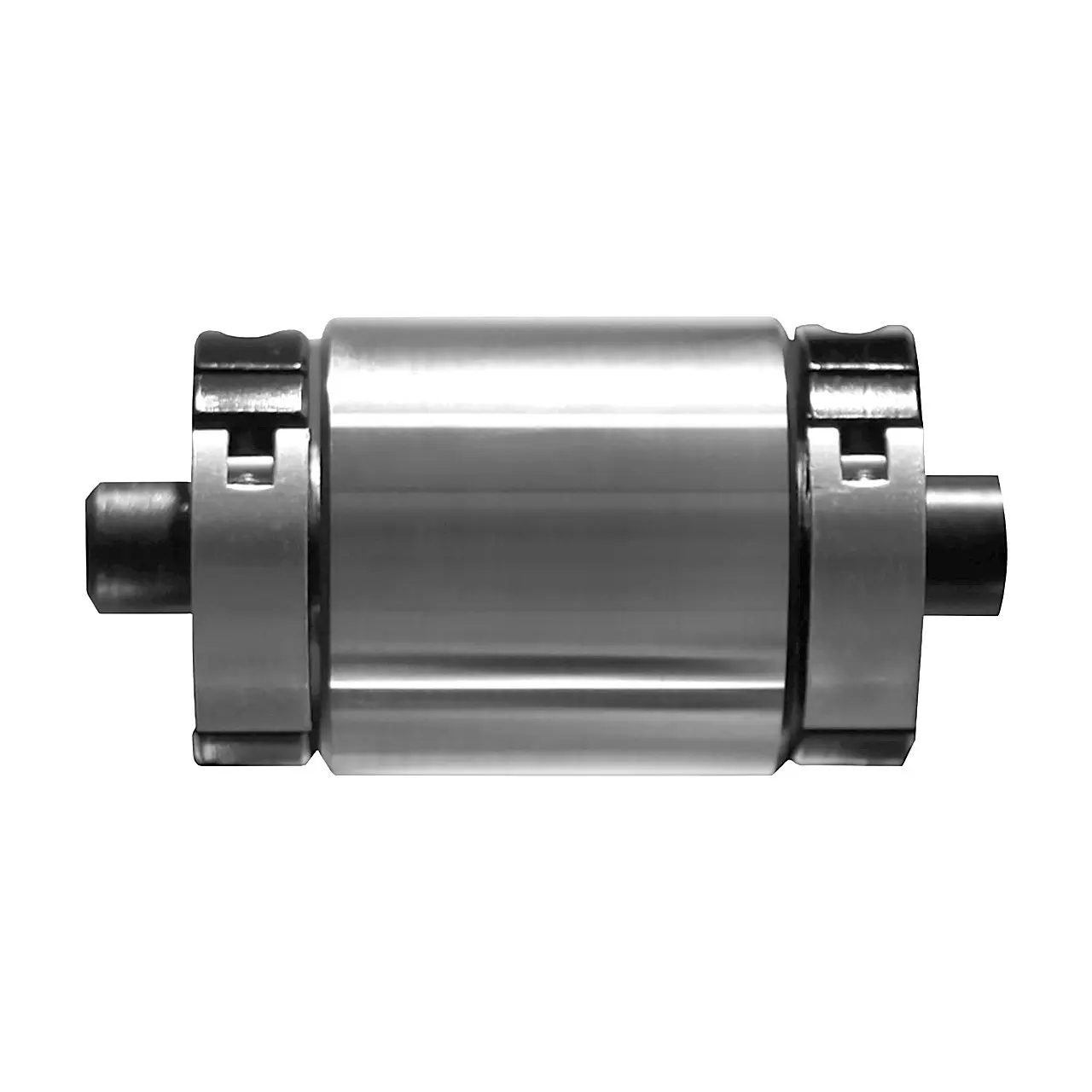
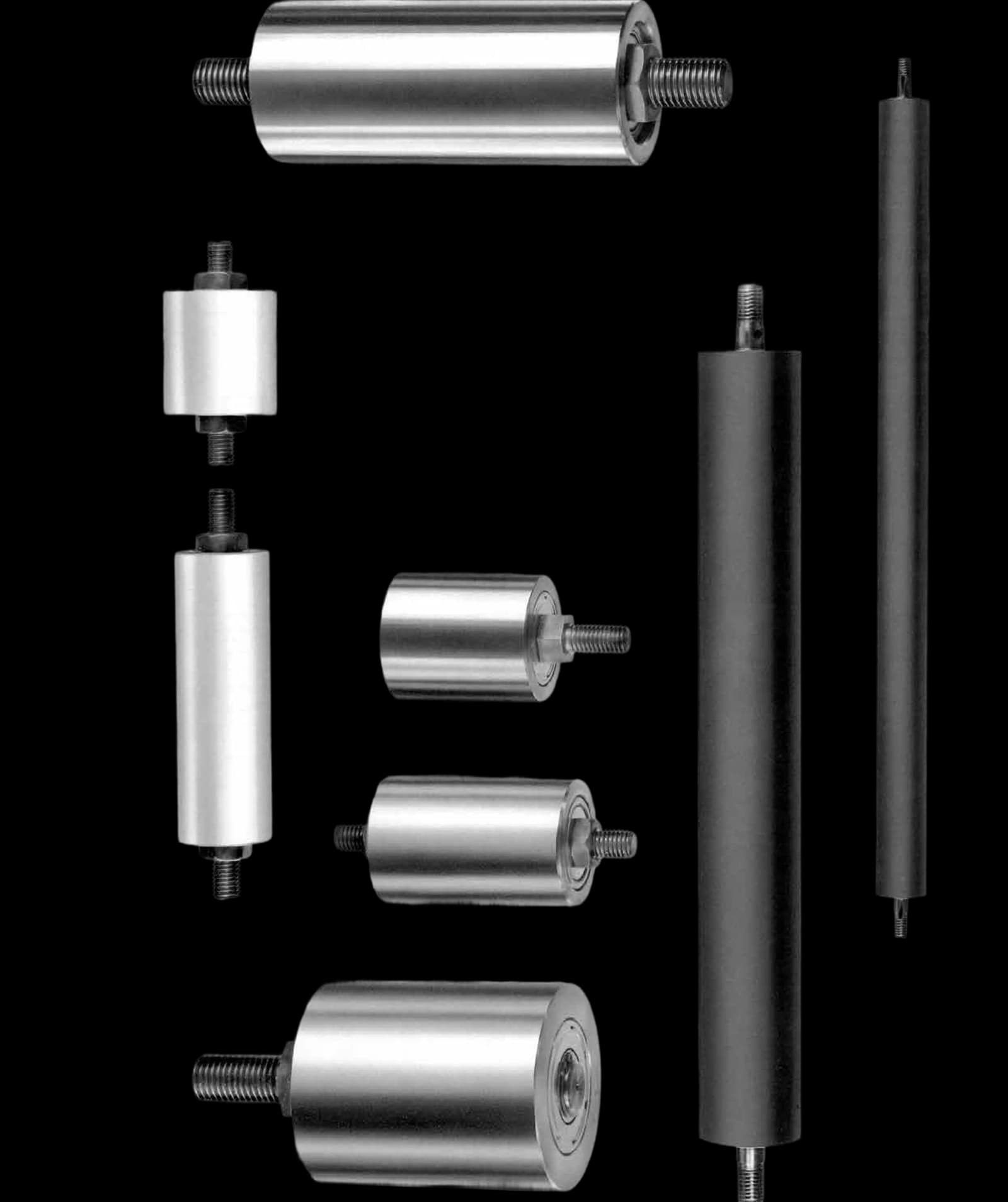
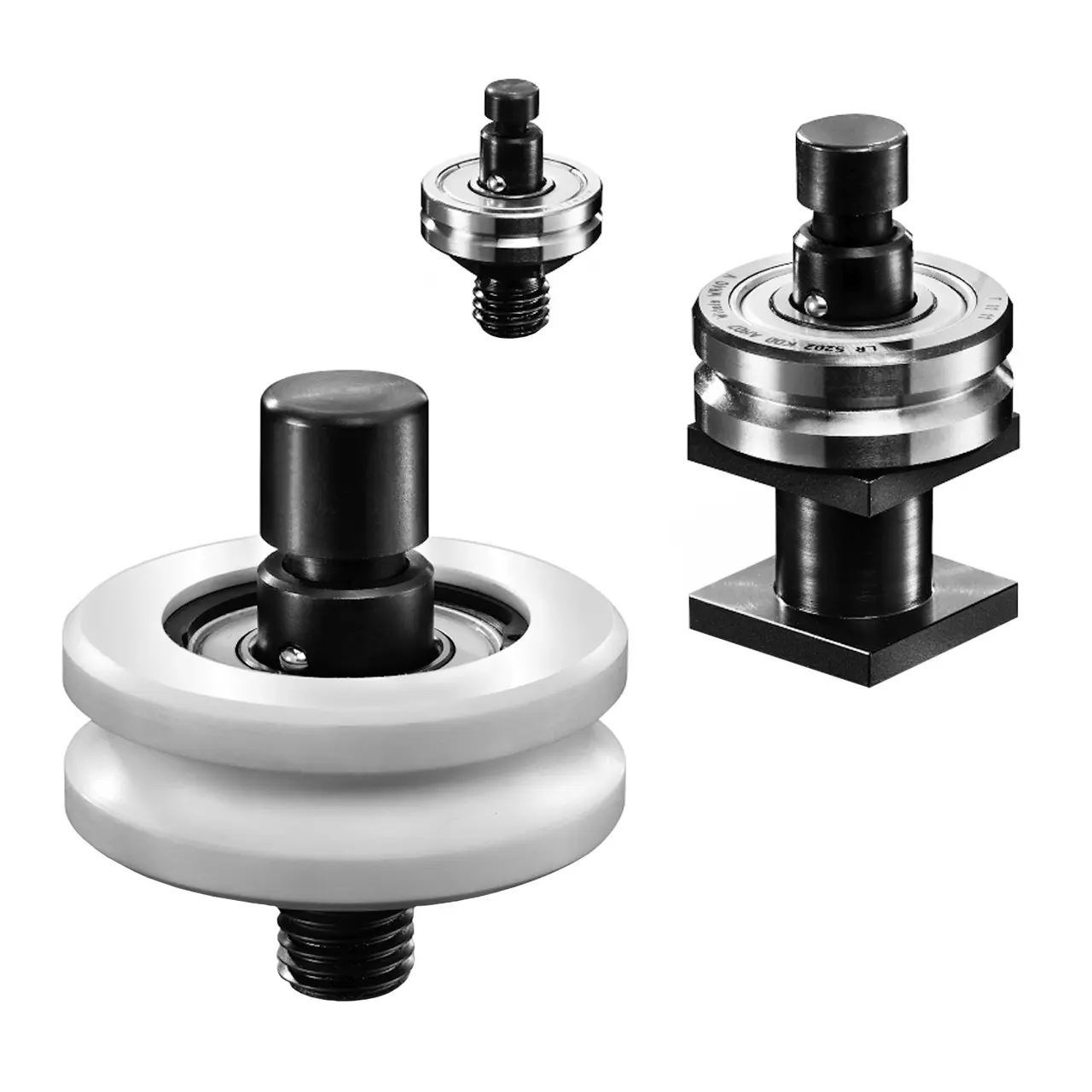
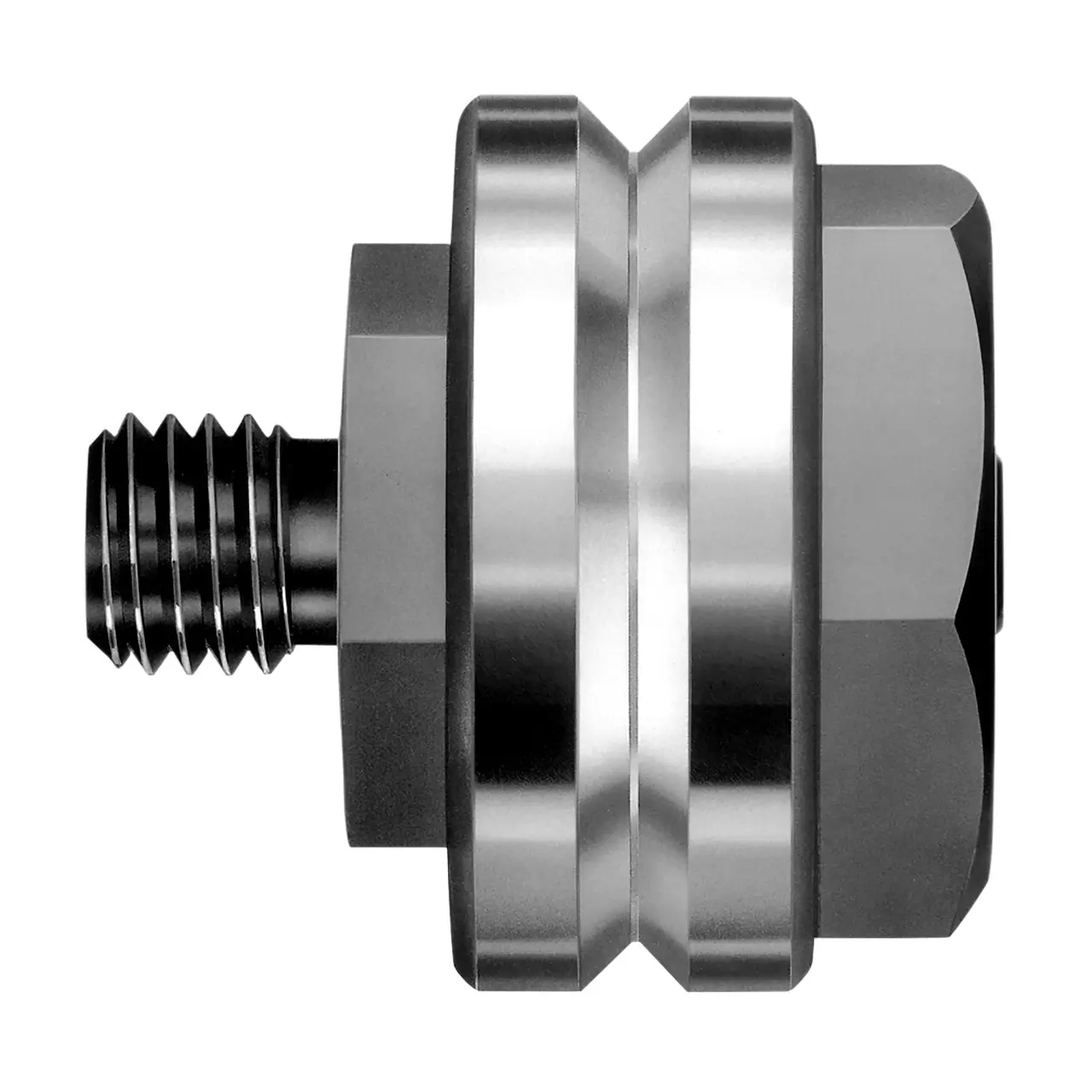
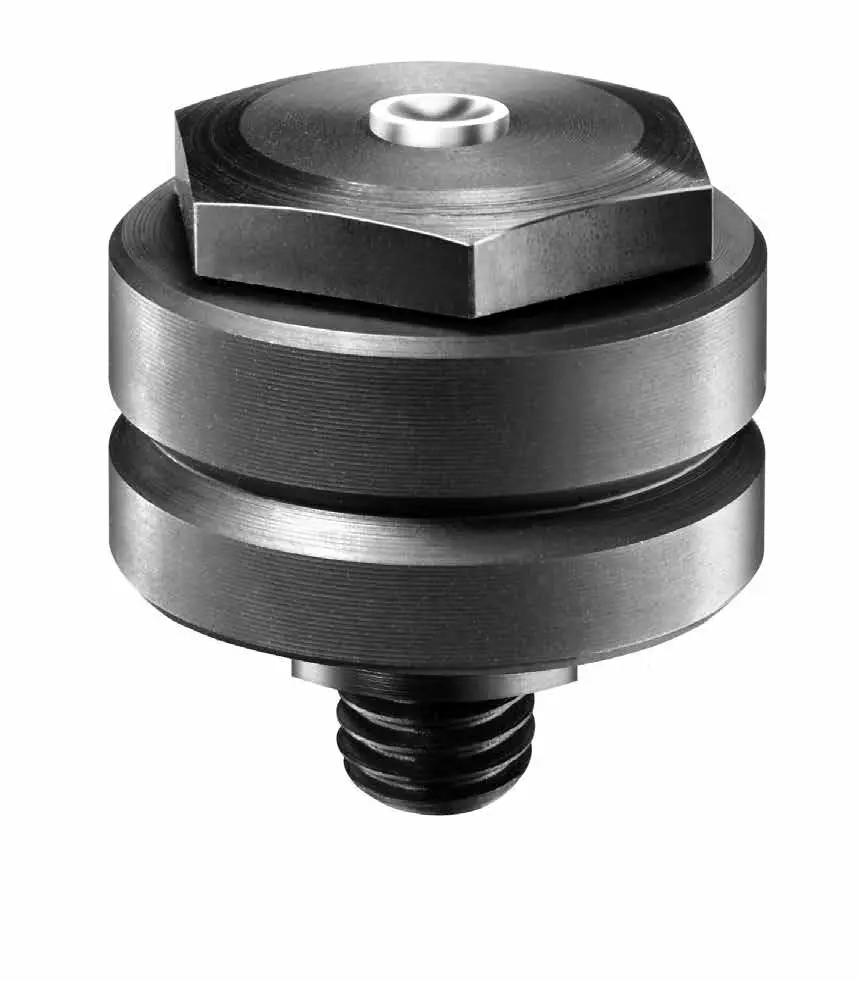
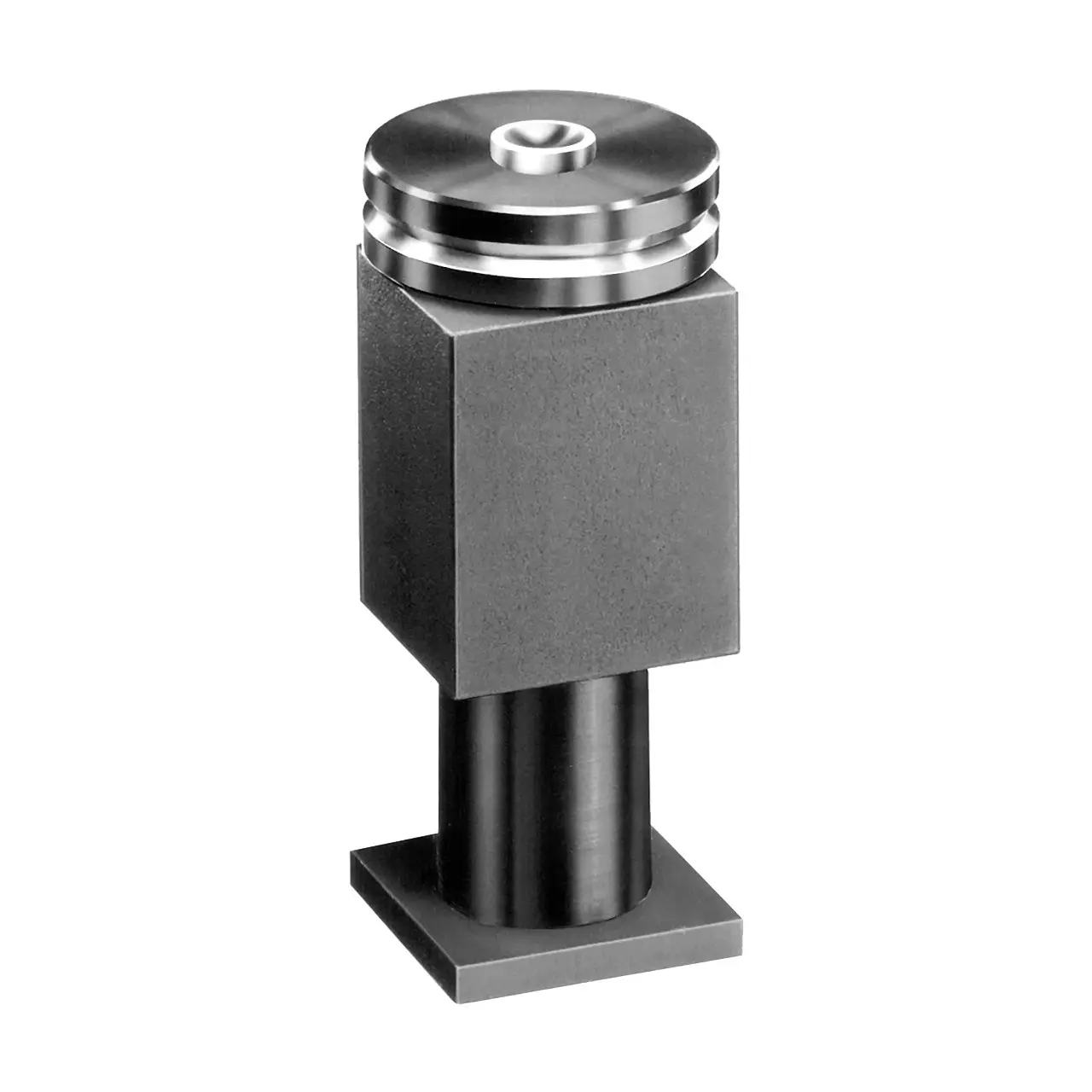
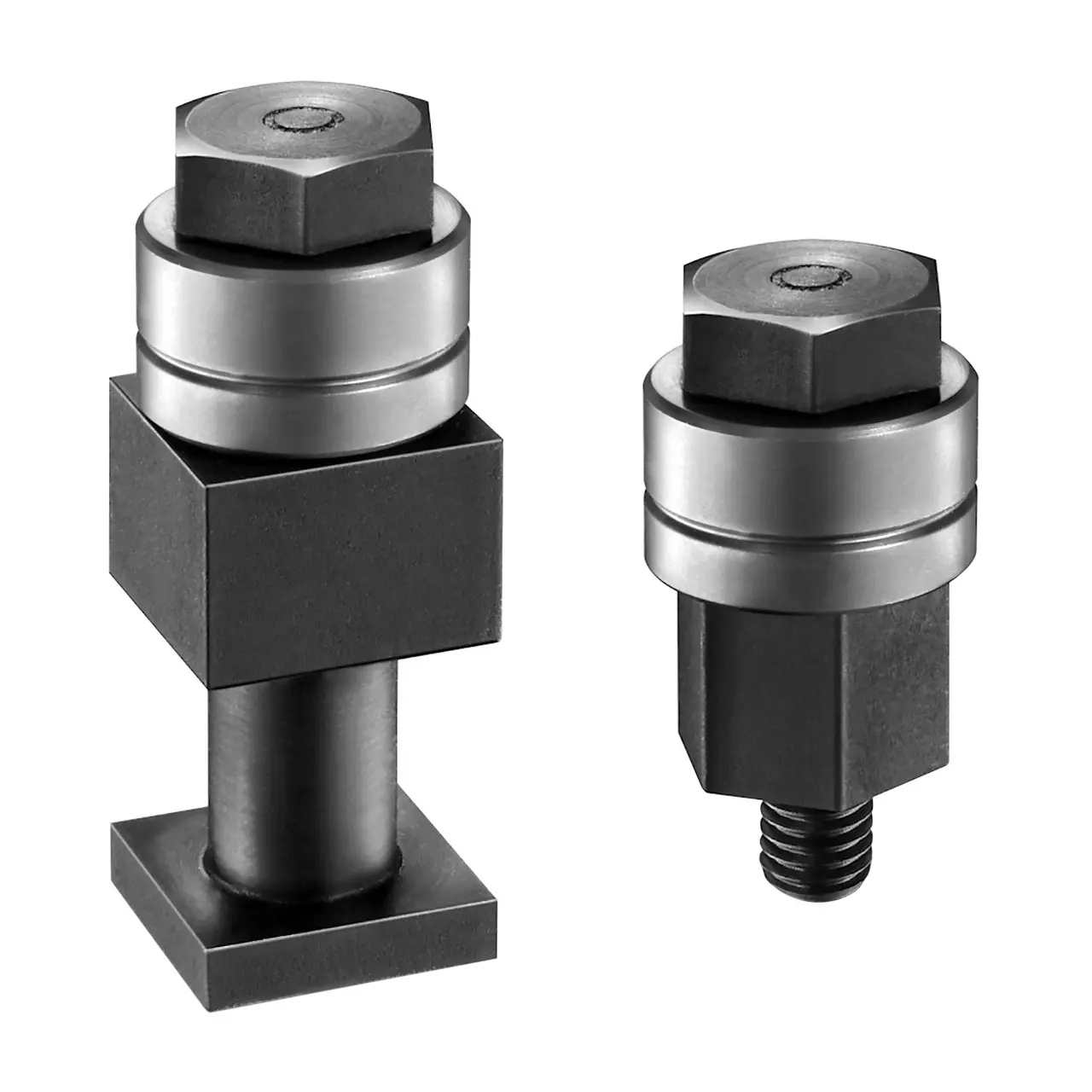
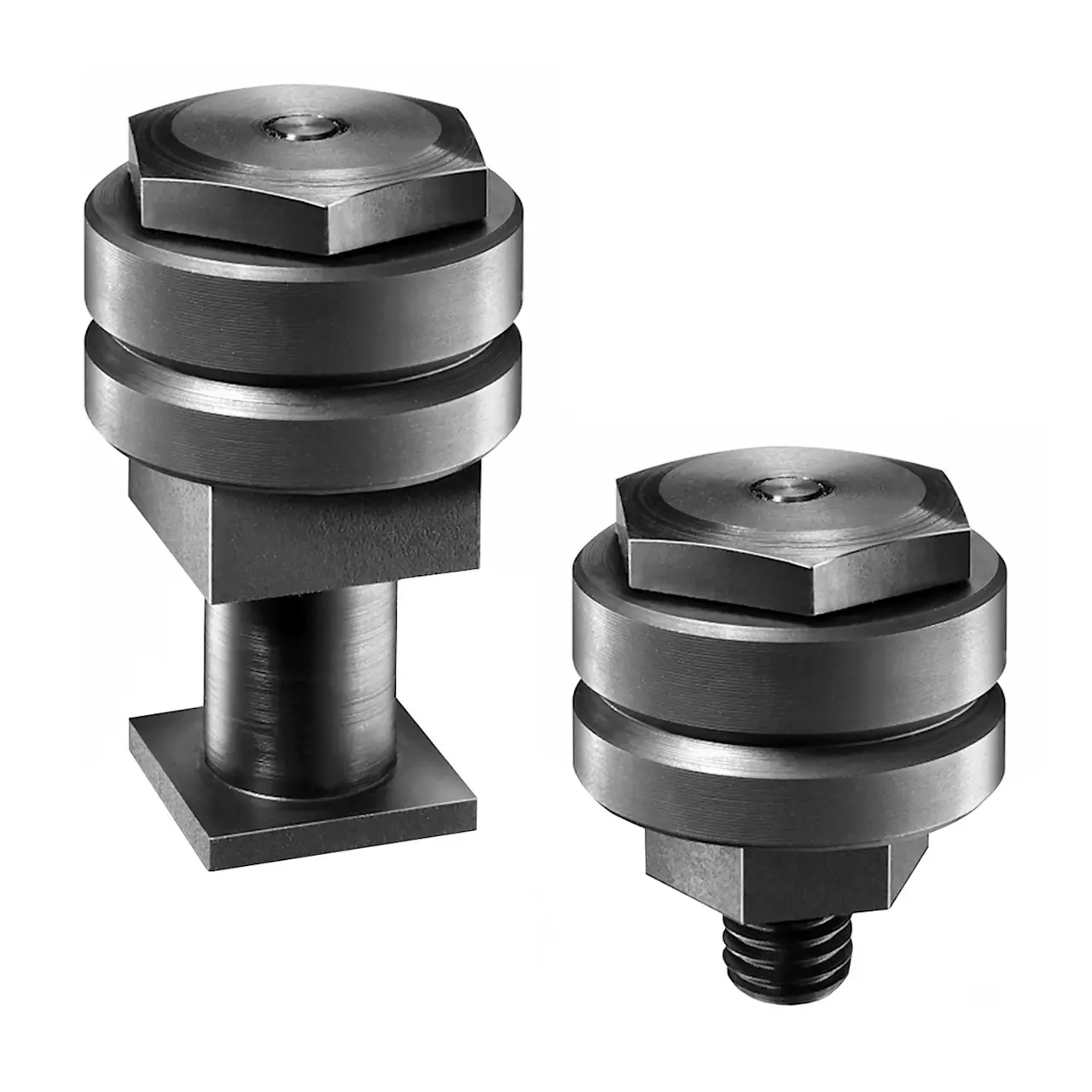
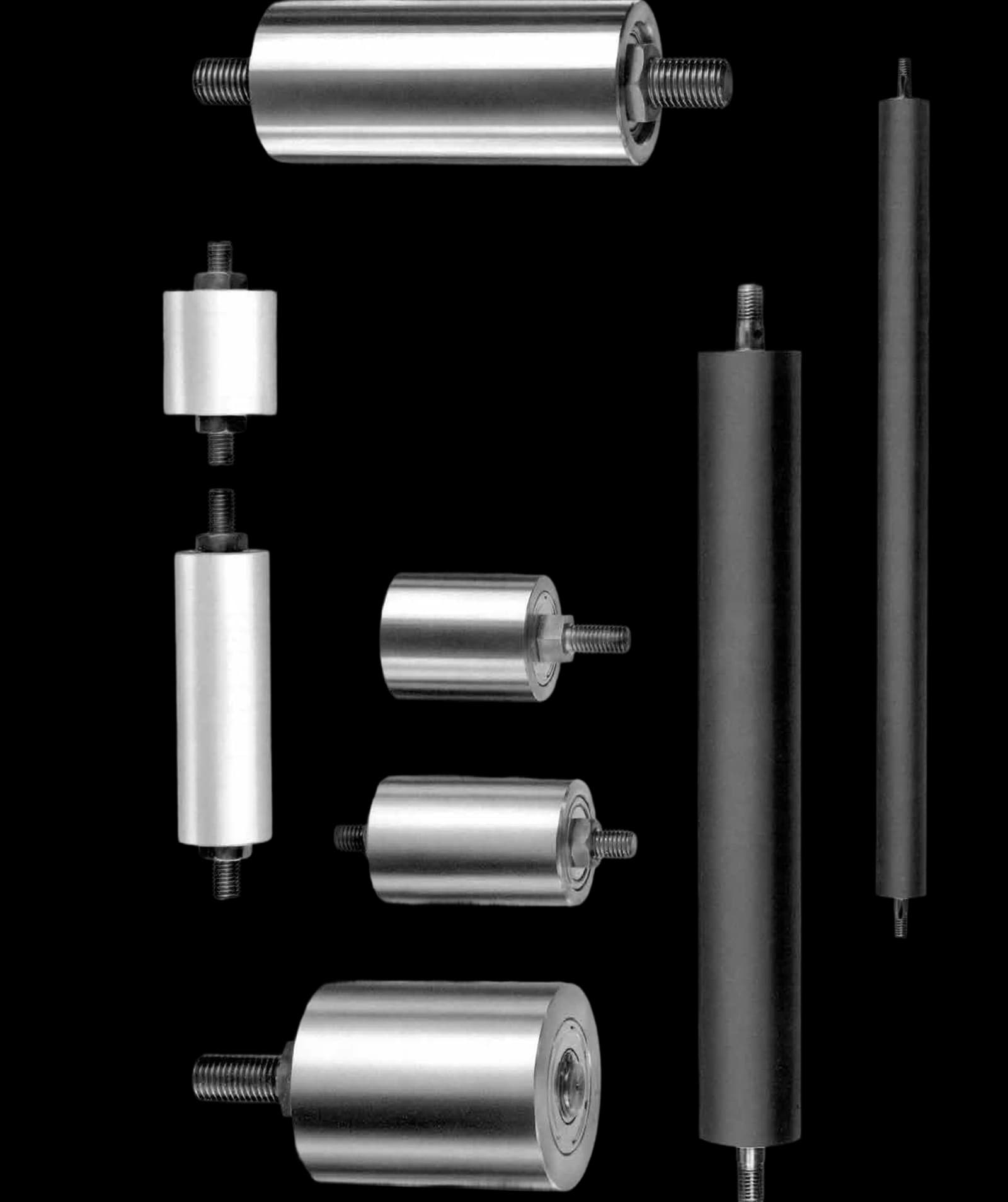
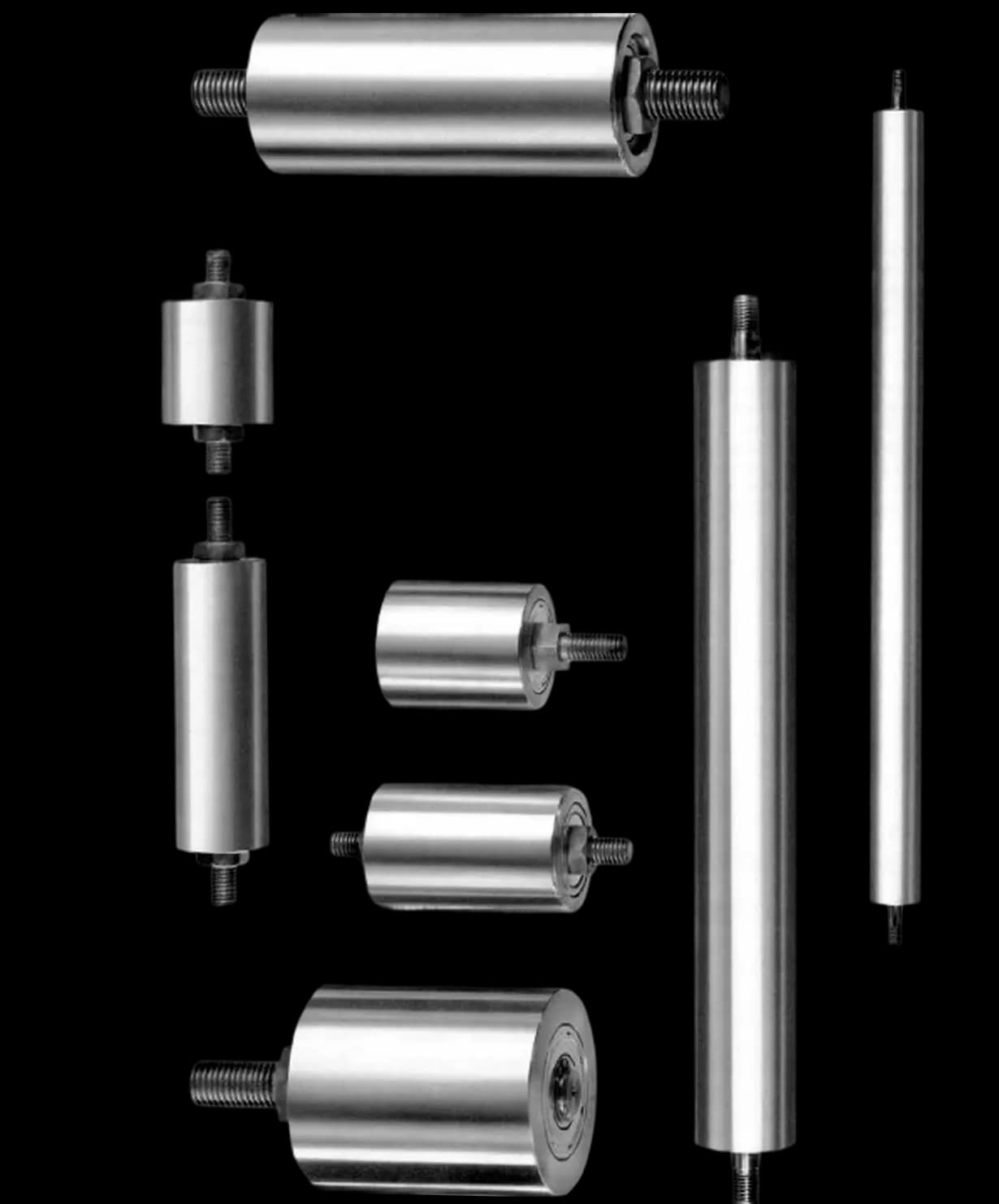
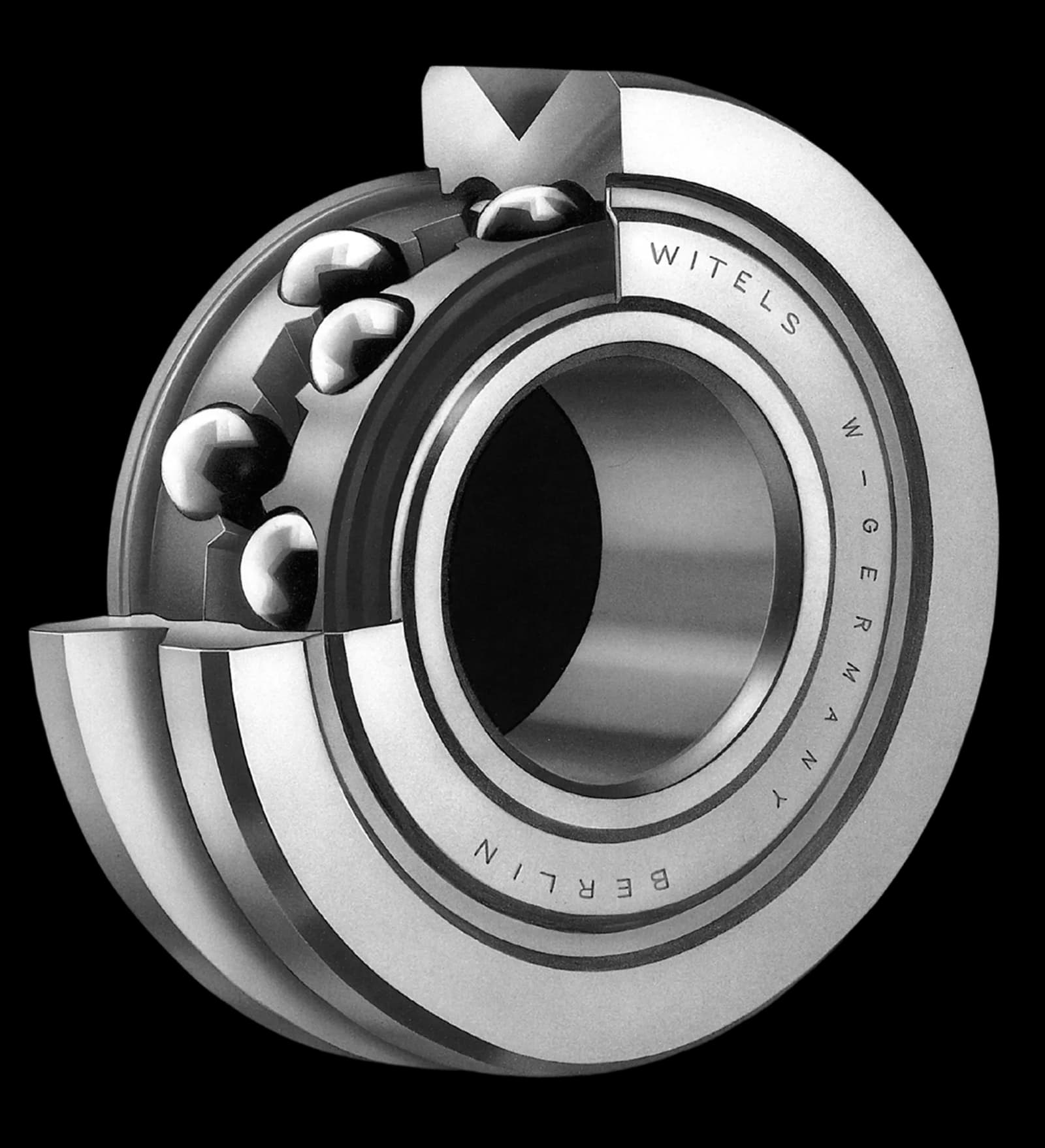
Grooved straightening rolls are bearing-mounted rolls arranged in two offset rows inside the straightener. The groove cut into the roll's outer ring accommodates and guides the material while the rolls bend it alternately to reduce curvature. Angular grooves (typically 90°, 100° or 110°) suit round solid wire, adapted profiles suit tube or profile, and smooth rolls are used for strip.
Match the groove geometry to your material's cross-section, then confirm the roll is sized for your straightener series and roll count, since a replacement must match the original configuration to hold the line's tolerance. Each roll series page lists models by size range; for example WR 4 covers 0.1–0.2 mm.
Follow the TMAA checklist: Testing, Maintenance, Adjustment, Action. Insert a calibre, move the adjustable rolls against it until they touch without bending (the zero line), record the positions, then set the rolls with greater adjustment at the entrance and smaller at the exit, repeating and recording until the required final curvature is reached.
Roll life depends on the roll's own material and bearing, plus external factors such as product surface condition, speed, slip, soiling and lubrication. The finish requirements of your material, for example coated or plated wire versus bare strip, also affect which roll and coating make sense.
Yes. The CC SH and CB SH series are Cromax hard chromium plated steel rolls for better corrosion resistance and use with hard or abrasive materials, with a minimum chromium layer thickness of 20 µm.
Straightening rolls are the wear components that do the actual work inside a straightener — bearing-mounted, grooved rolls whose geometry and groove profile determine how consistently a line removes curvature from wire, tube, or strip. The groove cut into a roll is matched to the material: angular grooves (typically 90°, 100°, or 110°) suit round, solid wire, adapted profiles suit tubular or profiled stock, and smooth rolls are used for flattening strip. Witels Albert offers replacement and upgrade straightening rolls sized and profiled for its straightener series, covering the roll counts and dimensions used across its wire, tube, and strip equipment.
Selecting the right roll starts with matching groove geometry to your material's cross-section, then confirming the roll is sized for your straightener series and roll count — since roll count also affects final curvature quality, a replacement roll needs to match the original configuration to hold the line's designed tolerance. Roll life-time depends on the roll's own material and bearing, plus external factors like product surface condition, speed, slip, and lubrication, so wear rate and the finish requirements of your material (for example, coated or plated wire versus bare strip) factor into which roll and coating make sense for a given line.
As with the rest of the Witels Albert line, rolls are manufactured in Germany by Witels-Albert GmbH, whose manufacturing site in Berlin operates an ISO 9001 quality management system, with US stock and technical support available from Branford, CT. Because roll geometry is specific to each straightener series, the fastest way to confirm compatibility is to provide the series and model you're running, along with your material and dimensions, when requesting a quote.
Selection help
Send your material, diameter, and throughput. Our team in Branford, CT works with Witels-Albert in Germany to specify the right configuration.